How Much Protein Do You Need to Build Muscle?
"How much protein should I be eating?" is one of the first questions I get from new clients. Most people are eating far less than they think, and then they wonder why the scale moves but their body doesn't really change shape.
Protein is the building block your body uses to repair and grow muscle after you train. Get it right and your workouts actually turn into results. Get it wrong and you can train hard for months with very little to show for it. Here's how much protein you need to build muscle, how to spread it out, and how to hit it without living on chicken and rice.
How much protein do you need to build muscle?
Most people who strength train need about 1.4 to 2.0 grams of protein per kilogram of body weight per day to build muscle. That's roughly 0.64 to 0.9 grams per pound. A 180 pound person would land somewhere between about 115 and 165 grams a day.
Those numbers come from the International Society of Sports Nutrition position stand on protein and exercise, which reviewed the research on protein for people who train. It's a range for a reason. Where you land depends on your size, how hard you train, and whether you're trying to lose fat at the same time.
For comparison, the standard RDA is 0.8 grams per kilogram. That number is set to cover basic needs for most adults. It was never meant to be a target for someone trying to put on muscle.
When to aim higher in the range
If you're eating in a calorie deficit to drop body fat, the higher end of the range helps you hold on to the muscle you already have. The same goes if you're training hard four or five days a week. If you're newer to training and eating at maintenance, the middle of the range is a solid place to start.
How should you spread protein across the day?
Aim for about 20 to 40 grams of protein per meal, spread over three to five meals or snacks. Eating it across the day is easier to hit than cramming most of it into dinner, and it gives your body a steady supply to work with after training.
Here's a simple way to think about it. If your target is 150 grams, that could be four meals at around 35 to 40 grams each. Breakfast is usually where people fall short, so that's the first meal I look at when someone is stuck.
- Build every meal around a protein source first, then add carbs, fats, and vegetables.
- Keep easy protein snacks around, like Greek yogurt, cottage cheese, jerky, or a shake.
- Have a little protein before or after you train, whatever fits your schedule.
- Prep a couple of protein options for the week so you're never starting from zero.
What are the best protein foods for building muscle?
The best protein foods are the ones you'll actually eat consistently. Lean meats, fish, eggs, Greek yogurt, cottage cheese, and milk are easy wins. Beans, lentils, tofu, and tempeh work well too, especially if you eat plant based. A protein powder can fill the gaps on busy days.
This is where flexible dieting comes in. No food prison. You don't have to give up the foods you love to hit a protein target. You set protein first and build the rest of the day around what you enjoy. I go deeper on how I set those targets in nutrition coaching: how I make it fit your training.
One of the pillars I coach by is simple: eat more than you think. A lot of people trying to change their body are undereating, and protein is usually the first thing missing.
Does protein alone build muscle?
No. Protein gives your body the materials, but training is the signal that tells it to build. You need consistent strength training with progressive overload, enough total calories, and decent sleep. Protein without the training is just food.
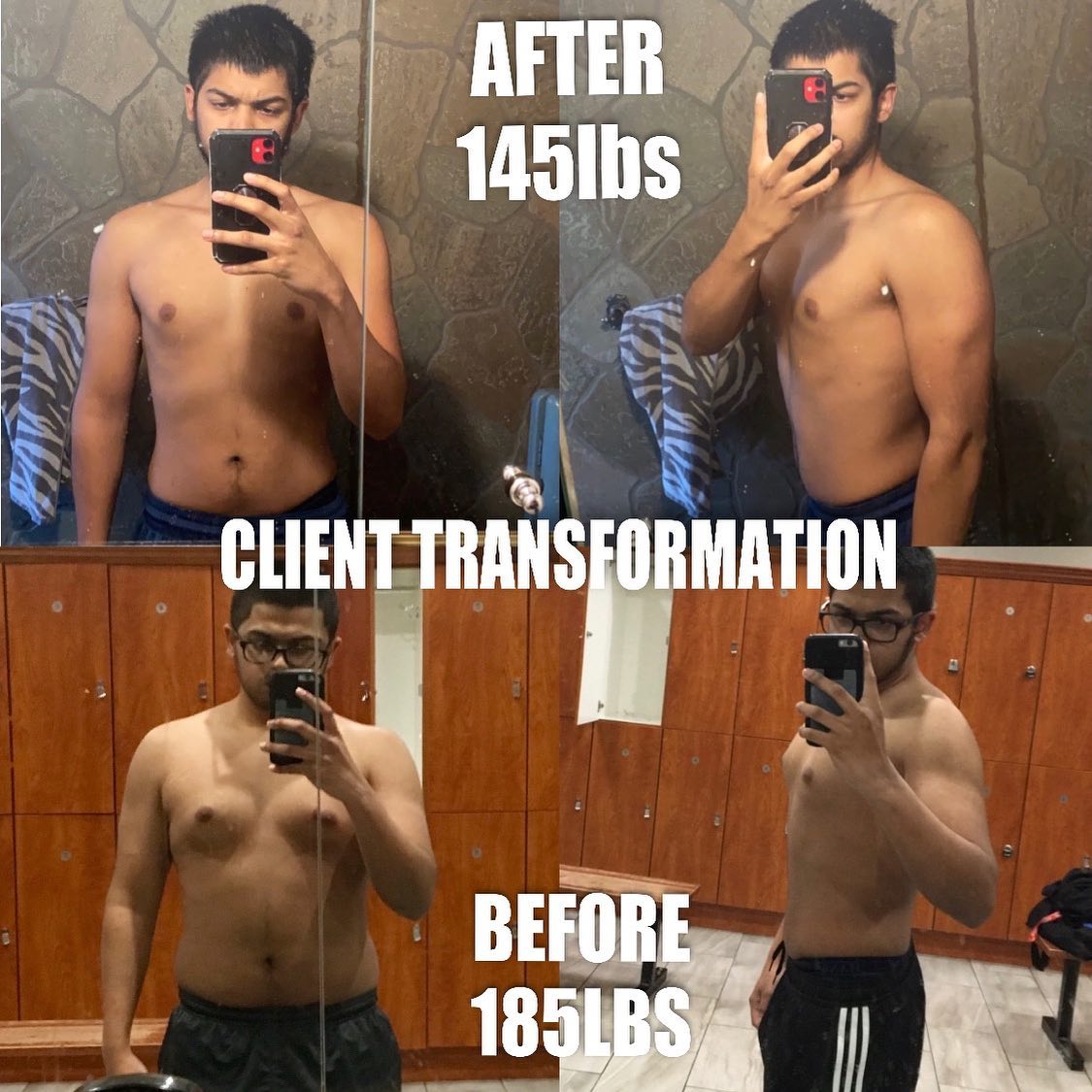
Parth is a good example of everything working together. He was stuck at 185 pounds and dropped 40 pounds in 90 days with the right macros and a five-day plan. You can see his story and others on the transformations page. Everyone's timeline is different, but the pattern is the same: the right nutrition plus a training plan you can stick with.
If you want to understand the training side better, read bodybuilding training explained: volume, rest, and growth. And if you've been relying on cardio to change your body, bodybuilding training vs cardio breaks down why lifting matters so much.
Common protein mistakes that slow your progress
The biggest mistake is guessing. Most people think they eat plenty of protein until they actually track it for a few days. Other common ones are eating almost none at breakfast, saving it all for one big dinner, and dropping protein when they cut calories, which is exactly when you need it most.
If you have a kidney condition or any other health concern, check with your doctor before making big changes to your protein intake.
Your next step
Fitness is meant to improve your life, not imprison it. Getting your protein right is one of the simplest changes you can make, and it makes everything else you do in the gym work better.
If you want macros and a training plan built around your life and the food you like, apply here. It takes about 45 seconds, and you get weekly check-ins and support along the way. You can also learn more about my background in nutrition before you start.
FAQs
How much protein do I need a day to build muscle?
Research from the International Society of Sports Nutrition puts the range at about 1.4 to 2.0 grams per kilogram of body weight per day for people who train regularly. That works out to roughly 0.64 to 0.9 grams per pound.
Is the RDA for protein enough if I lift weights?
The RDA of 0.8 grams per kilogram is set to cover basic needs for most adults, not to support muscle growth. If you strength train and want to build muscle, aiming higher, within the 1.4 to 2.0 range, makes more sense.
How much protein should I eat per meal?
Around 20 to 40 grams per meal works well for most people. Spreading that over three to five meals or snacks across the day is easier than trying to fit it all into dinner.
Do I need protein shakes to build muscle?
No. Shakes are a convenient option, not a requirement. If you can hit your daily target with regular food, that works just as well. A shake simply helps on busy days.
Can I build muscle while losing fat if I eat enough protein?
Yes, especially if you are newer to training or coming back after a break. Enough protein plus smart strength training helps you keep or build muscle while you drop body fat. That process is called body recomposition.
Does eating more protein mean I have to cut carbs?
No. Carbs fuel your training, and with flexible dieting they still fit. You set a protein target first, then build the rest of your day around the foods you enjoy.
