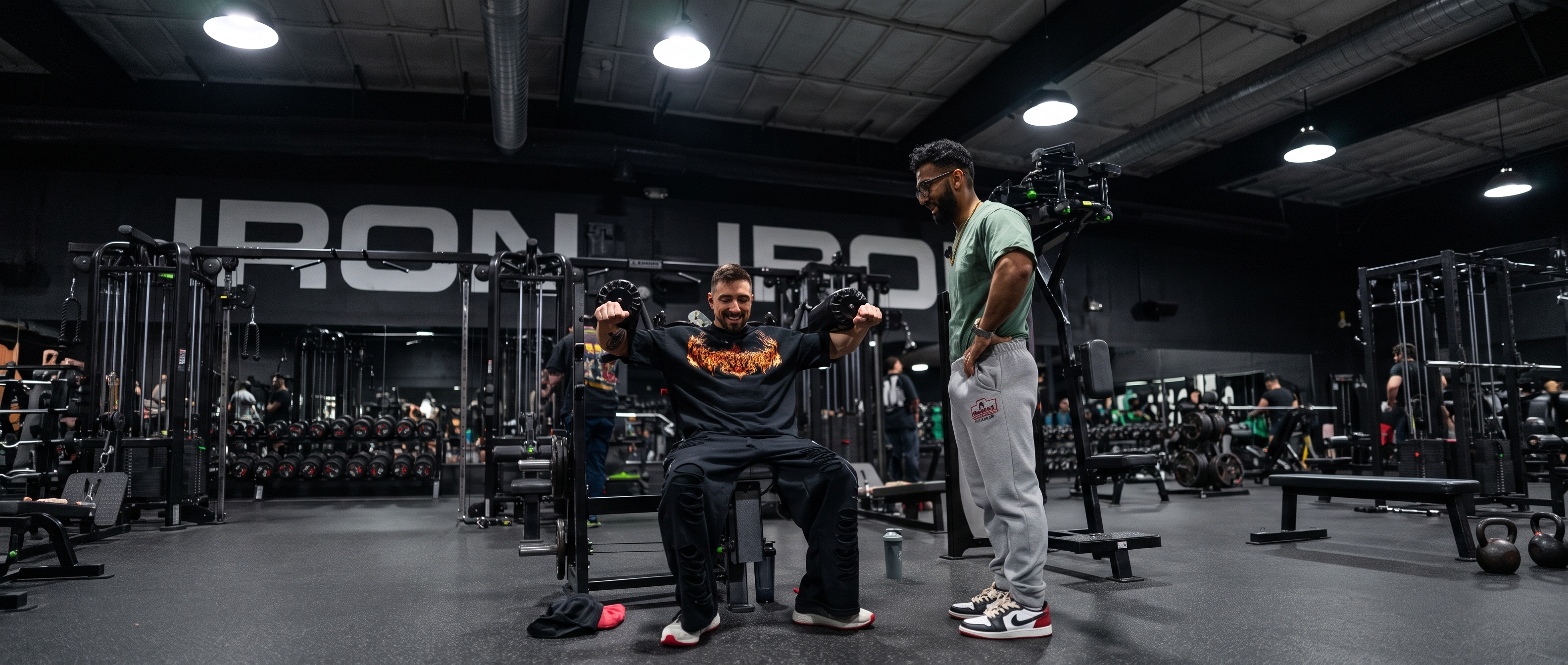
How Many Days a Week Should I Work Out? A Coach's Answer
"How many days a week should I work out?" is one of the first questions I get from new clients. Most people expect me to say every day. I almost never do.
The right number is the one you can actually show up for, week after week, with enough recovery to keep getting stronger. For most people that's somewhere between 2 and 5 days. Here's how I help clients pick their number based on their goal, their schedule, and their experience.
How many days a week should you work out?
Most people should strength train 2 to 5 days a week. Beginners usually start with 2 or 3 days, and people chasing muscle growth often do well with 4 or 5. The best number is the one that fits your life, lets you recover, and still lets you add weight or reps over time.
For a baseline, the CDC's physical activity guidelines for adults recommend at least 150 minutes of moderate activity a week, plus muscle-strengthening activity on 2 or more days. Think of that as the floor, not the goal. If you want to change how you look and feel, you'll build on top of it.
Training days by goal
Your goal changes how many days make sense. Here's how I usually think about it with clients.
2 to 3 days: beginners and busy weeks
Two or three full body sessions a week is a great starting point. You hit every major muscle group each time, you get a rest day in between, and it's easy to fit around work and family. If you're brand new, I lay out what that first week can look like in fitness program for beginners: what week one should look like.
3 to 4 days: fat loss and general fitness
For fat loss, your nutrition does most of the heavy lifting. Three or four strength sessions a week helps you hold on to muscle while you lose fat, and it leaves room for daily walks. You don't need to live in the gym to lean out.
4 to 5 days: building muscle
If building muscle is the goal, 4 or 5 days lets you spread out your training volume so each session stays focused and you can push hard. This is where a split, like upper and lower or push, pull, and legs, starts to make sense. I break down how to set one up in bodybuilding training splits: how to structure your week.
Why more days isn't always better
Your muscles don't grow during the workout. They grow while you recover from it. Training hard every day without enough rest, sleep, and food usually leads to sore joints, flat sessions, and progress that stalls.
That's why I care more about the quality of each session than the number of days on your calendar. Four focused workouts where you add a little weight or a rep over time will beat seven rushed ones. I go deeper on how volume and rest work together in bodybuilding training explained: volume, rest, and growth.
How to pick your number
To pick your number, start with how many days you can honestly commit to on a hard week, not a perfect one. Then build up from there. These questions help:
- How many days can you train even when work or family gets busy?
- How long can each session be? Fewer days usually means slightly longer workouts.
- How well are you sleeping and recovering right now?
- What's your main goal for the next 90 days: fat loss, muscle, or building the habit?
If you're not sure, start with 3 days for a month. If those sessions feel routine and you're recovering well, add a fourth. It's much easier to add a day than to recover from burning out on six.
Real clients, real schedules
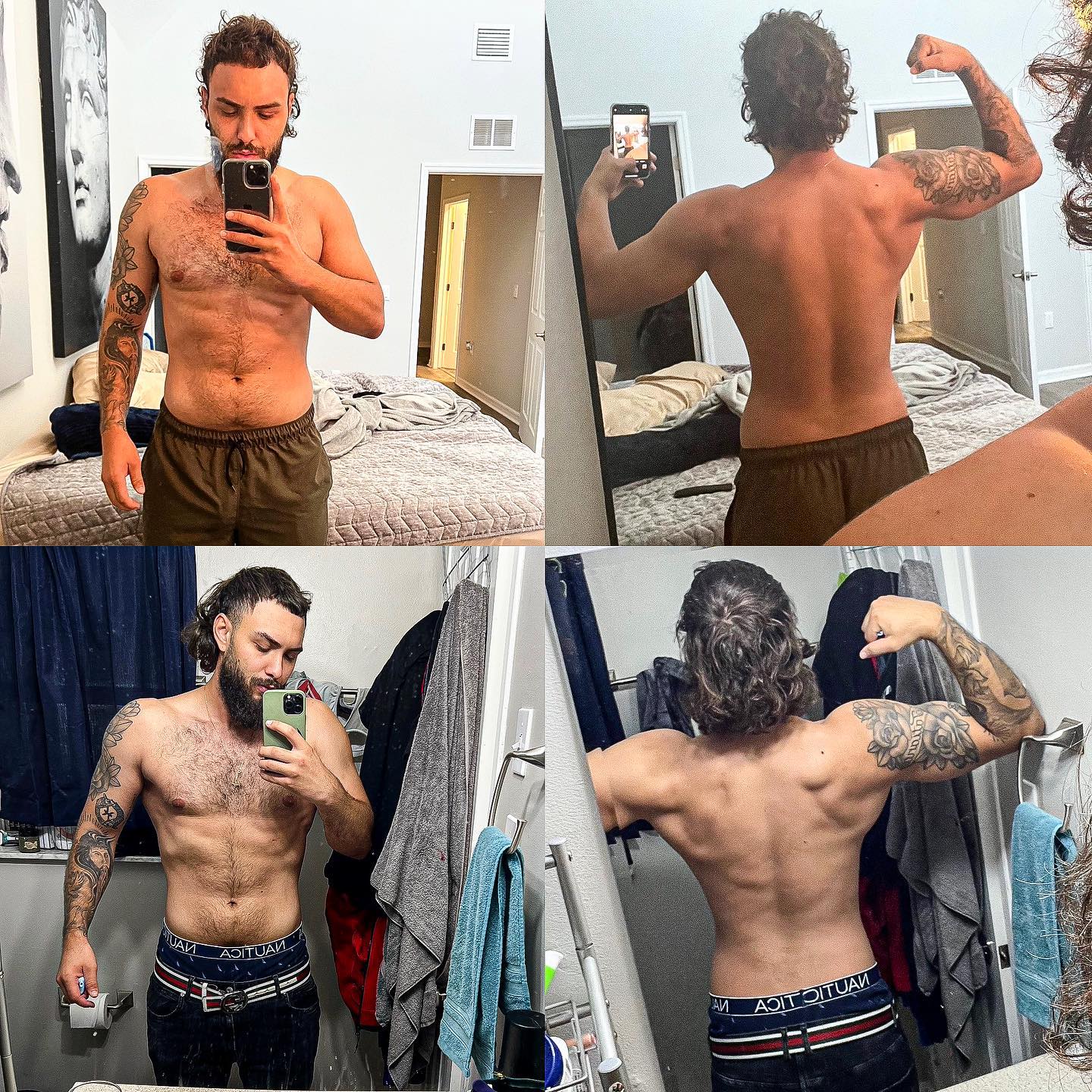
Gohar had never stepped into a gym. He built up to training 5 days a week while running a business. Mattheus got into the best shape of his life training late at night after 12-hour workdays. Lawrence went from a busy stay-at-home dad at 250 pounds to 230 in 90 days, training 5 times a week.
None of them started at 5 days. They found a schedule they could keep, then grew it. You can see their stories and more on the transformations page. The daily habits that make a schedule stick are a big part of lifestyle coaching.
Your next step
Fitness is meant to improve your life, not imprison it. Your training plan should fit your week, not take it over. Train smart, recover well, and keep it for life.
If you want a plan built around how many days you really have, apply here. It takes about 45 seconds, and you get weekly check-ins to adjust as your schedule changes. Prefer hands-on coaching? My in-person training sessions in Old Bridge, NJ are one-on-one and built around how you move.
FAQs
How many days a week should a beginner work out?
Most beginners do well with 2 to 3 strength training days a week, with at least one rest day between sessions. That's enough to learn the movements and build the habit without feeling wrecked. You can add a day once those sessions feel routine.
Is working out 3 days a week enough to see results?
Yes. Three full body sessions a week can build muscle and support fat loss when you train with good effort, add weight or reps over time, and your nutrition supports your goal. Consistency over months matters more than the exact number of days.
Is it bad to work out every day?
It's not bad to move every day, like walking or light activity. Hard strength training every single day usually isn't the best plan, because your muscles need time to recover and grow. Most people get better results with 1 to 2 rest days a week.
How many days a week should I lift weights to build muscle?
For building muscle, 3 to 5 lifting days a week works well for most people. What matters most is training each muscle group about twice a week with enough total sets, and then recovering well enough to do it again.
How many days a week should I work out to lose weight?
Fat loss is driven mostly by your nutrition, so you don't need to train every day. Two to four strength sessions a week plus more daily steps is a strong, realistic setup. Strength training helps you keep muscle while you lose fat.
What should I do on rest days?
Rest days don't have to mean lying on the couch. A walk, light stretching, or an easy bike ride keeps you moving without taking away from recovery. Keep eating enough protein and get good sleep, because that's when your body actually rebuilds.
