Bodybuilding Training vs Fitness Training: Key Differences
If you’ve ever watched someone dieting down for a show while someone else trains three days a week just to feel better in their clothes, you’ve already seen bodybuilding training and fitness training up close, even if you didn’t have names for them. They both involve a gym, a program, and some form of eating plan, so it’s easy to assume they’re the same thing wearing different outfits. They’re not.
I coach both paths at Antman Fitness, and the goals, programming, and nutrition behind each one are built for completely different outcomes. Knowing which one you actually want changes everything about how you should be training.
What Bodybuilding Training Actually Involves
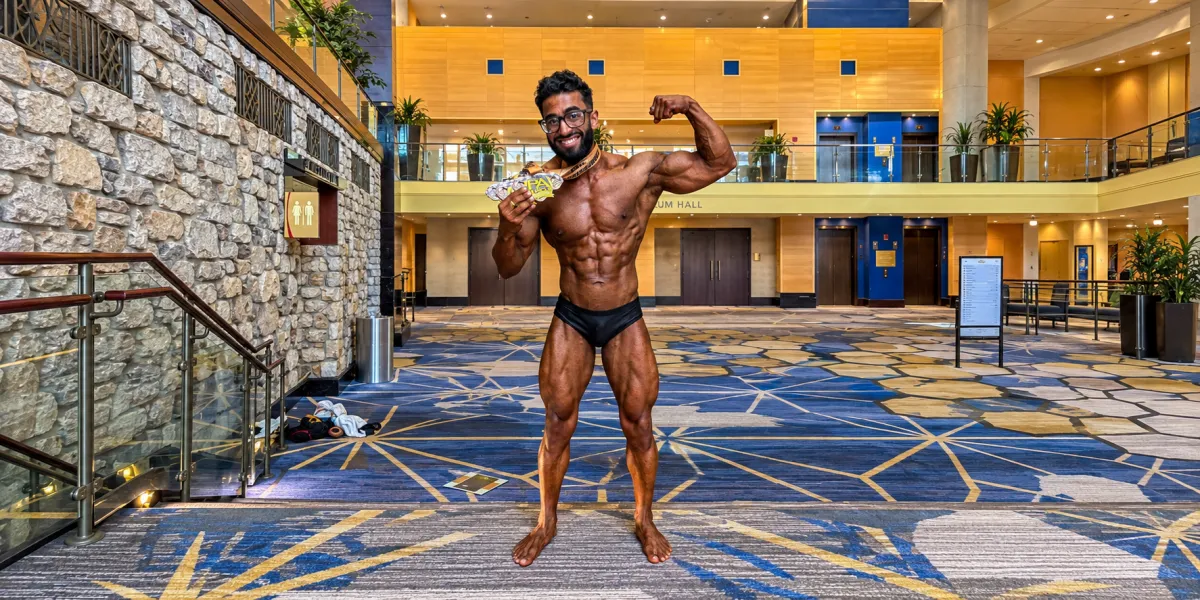
Bodybuilding training is built around one outcome: changing how your physique looks under specific, often unforgiving conditions like stage lighting or a photo shoot. That means the programming isn’t just “lift weights and get stronger.” It’s periodized across phases, an offseason where you build muscle and can carry a bit more body fat, and a prep phase where you strip that fat away while trying to hold onto every pound of muscle you built. Volume, rest periods, and exercise selection all get adjusted phase by phase, which is exactly what I break down in bodybuilding training explained if you want the full mechanics behind it.
Someone doing this kind of contest-focused programming is also managing things a general lifter never has to think about. Posing practice becomes part of the weekly routine, not an afterthought two weeks before a show. Progress photos get reviewed on a schedule, not whenever motivation strikes. Peak week brings water and sodium manipulation most people have never had to consider. Even cardio gets treated differently, added in gradually across prep to protect muscle rather than tossed in every day from the start. None of this is really about health in the broad sense. It’s about presenting a specific look on a specific day, and every decision in the gym and the kitchen gets filtered through that lens.
There’s also a mental side to this that catches people off guard. Dieting down for months while still training hard takes a toll, and staying on top of check-ins, photos, and weekly adjustments requires a level of discipline that most casual lifters never have to build. Darian Riley is a good example of why. Forty-five pounds needed to come off before a Nashville show, and getting there wasn’t about one dramatic week of dieting. It came down to sticking to the check-ins and the plan on the weeks that felt impossible. Guesswork gets expensive fast when the deadline is a fixed date on a calendar.
What Fitness Training Looks Like Day to Day
The other side of this has a wider goal and a lot more room to breathe. Most people who come to me wanting to get in better shape want to get stronger, drop some body fat, build a bit of muscle, and feel better moving through their day. There’s no stage date forcing every decision, so the plan can flex around real life instead of the other way around.
That flexibility shows up in the actual sessions too. In one-on-one training sessions, we’re working on form, building consistency, and adjusting the plan as your schedule and energy change from week to week. Progressive overload still matters here. You still need to add weight or reps over time to see results, but there’s no deload forced by a competition calendar and no requirement to hit an exact body fat percentage by a fixed date.
Nutrition follows the same logic. Macros get set around your goals and your actual life, not around what a judge will see under bright lights, which is a big part of why flexible dieting works so well for this group. You can still hit birthday dinners, travel, and busy weeks without blowing up months of progress, because the plan was built to bend a little in the first place. That kind of sustainability is often the whole point for someone who isn’t chasing a stage.
The Big Differences: Goals, Programming, and Nutrition
Line them up side by side and three differences stand out. First, the goal. One path chases a specific visual outcome for a specific date. The other chases ongoing health, strength, and body composition changes with no hard deadline attached. Second, programming. Contest-focused work is periodized around competition phases with heavy emphasis on volume and muscle-specific detail, while the general path stays broader and adapts as your life does, week to week. Third, nutrition. Show prep gets aggressive and precise as the date approaches, with macros shifting weekly based on how your body is responding. A general approach is usually more sustainable long term, built for someone who wants results without living and dying by a scale.
I coach both sides of this because the underlying skills overlap even though the goals don’t. Someone who starts with a general program often builds enough of a base that competing becomes something they want to try later. Someone stepping away from competition can shift back into a more general routine without losing the discipline they built during prep. Real client results on both paths are all over my transformations, and none of it happened by accident. It happened because the program matched the person’s actual goal instead of a generic template.
How to Know Which Path Fits You
Ask yourself a blunt question: do you want to look a specific way on a specific day in front of judges, or do you want to feel strong, look better, and build habits that last? If it’s the first one, a structured bodybuilding program is worth exploring, ideally with real posing practice and photo check-ins built in from day one, not bolted on at the last minute. If it’s the second, a general fitness plan gives you more room to build a sustainable routine without the pressure of a countdown clock.
Plenty of people start in one lane and move to the other as their goals change, and that’s completely normal. What matters is being honest about what you actually want right now instead of copying a program built for a totally different outcome. A generic plan pulled from someone else’s Instagram won’t account for your recovery, your schedule, or your starting point, and that mismatch is exactly where most people stall out. It’s also worth thinking about your timeline. Prep has a fixed end date and demands near-total commitment while it lasts. A general approach can run indefinitely and adjust as your life does, which makes it a better fit if you’re not ready to commit to a show date yet.
If you’re still not sure which one describes you, that’s a normal place to be, and it’s exactly what a real conversation is for. Whether you train with me online or come in for sessions here in Old Bridge, NJ, I walk through your training history, your schedule, and your actual goal before ever writing a single set or rep, because guessing at this stage wastes months you don’t get back. Apply to train with me and let’s figure out which path actually fits.
FAQs
1. Can I train like a bodybuilder without ever competing?
Yes. Plenty of people follow a similar split, volume, and phase structure purely for the physique changes, without ever stepping on a stage. You just don’t need the peak week protocols or posing practice unless a show is actually on the calendar.
2. Is a general fitness program enough to build noticeable muscle?
Absolutely, especially if you’re newer to structured training. Progressive overload and consistent nutrition will build real muscle without a contest-specific program. You just won’t be pushing the extreme volume and precision that show prep demands.
3. How much more restrictive is contest-prep nutrition compared to a general plan?
It depends on the phase. Offseason nutrition can look a lot like a general flexible macro setup. Once prep starts, tracking gets tighter and adjustments happen weekly based on how your body is responding, which is a different level of precision than most people need day to day.
4. Do I need posing practice if I’m just working out for general health?
No. Posing is specific to presenting a physique under judging conditions, so it only matters if you’re actually preparing for a show. If that’s not your goal, that time is better spent on mobility, skill work, or just more time on the exercises you enjoy.
5. Can someone switch from a general program into bodybuilding later?
Definitely, and it happens often. A solid base of good movement patterns and consistent strength makes the jump into a contest-focused program smoother than starting from scratch.
6. Which approach is better for losing weight?
Neither is automatically better since both can produce fat loss when the nutrition is dialed in. The real difference is the timeline and the precision required. A general approach allows a slower, more flexible pace, while contest prep demands a stricter, deadline-driven one.
